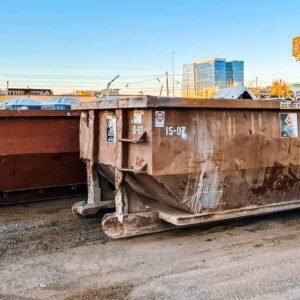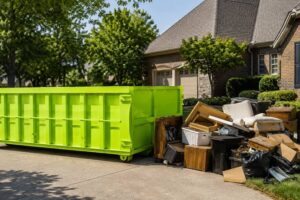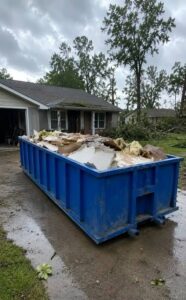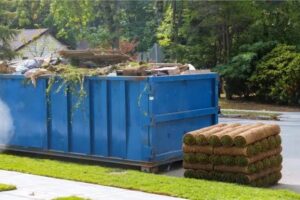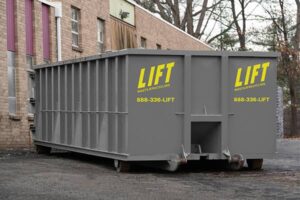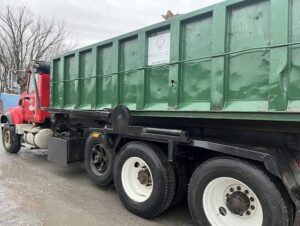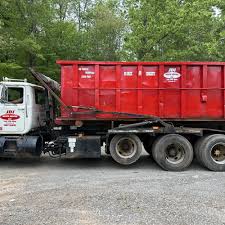
Managing waste is an important part of keeping any worksite organized. Whether I am dealing with a home renovation, a commercial improvement project, or a large construction job, I have learned that waste can quickly become a problem when there is no proper removal plan. Old materials, broken fixtures, packaging, and general debris can take up valuable space and slow down daily activities. Reliable dumpster services make it easier to control this waste and keep the project moving.
I have found that a suitable dumpster provides a central place for unwanted materials. Instead of allowing debris to collect in different areas, workers can place waste in one designated container. This simple arrangement improves site organization and reduces unnecessary handling. It also helps create a cleaner environment for everyone involved in the project.
Why Worksites Need an Organized Waste Plan
Every project produces waste, although the amount and type can vary. A small remodeling job may generate pieces of drywall, old cabinets, flooring, and packaging. A larger construction project may produce wood scraps, roofing materials, concrete, and other heavy debris. Without a clear disposal plan, these materials can quickly create clutter.
When I plan waste removal before work begins, I can estimate how much space will be needed and how frequently the container may require service. This preparation helps prevent waste from interfering with deliveries, equipment movement, and daily work. It also gives workers a clear place to dispose of materials throughout the project.
An organized site is easier to manage because unwanted items do not remain scattered around work areas. Walkways stay more accessible, and workers can focus on their assigned tasks instead of repeatedly moving debris. A dumpster provides a practical solution for maintaining this order.
Selecting a Dumpster for Different Projects
Choosing the correct dumpster size is one of the first decisions I consider. A container that is too small may fill before the project reaches its final stage. This can lead to additional collection arrangements and unnecessary interruptions. A container that is much larger than required may take up space that could be used for equipment or materials.
For smaller projects, a compact dumpster may be enough to handle household waste, minor renovation debris, or a garage cleanout. Medium-sized containers are often useful for larger remodeling jobs, flooring replacement, and property improvement work. Major construction or demolition projects may require larger containers with sufficient capacity for ongoing waste generation.
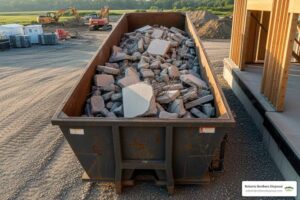
I also consider the type of material being removed. Heavy materials such as concrete, soil, brick, and roofing debris can reach weight limits quickly. A dumpster may still have unused space while already approaching its permitted weight capacity. Understanding these limits helps avoid overloading and additional charges.
Planning Dumpster Placement Before Delivery
The location of a dumpster can influence how efficiently a project operates. I prefer to identify a suitable placement area before arranging delivery. The container should be accessible to the delivery vehicle while remaining convenient for workers who need to dispose of materials.
A driveway, designated loading area, or open section of a worksite may provide a suitable location. However, I always consider vehicle movement, pedestrian access, overhead obstacles, and the condition of the ground. A container placed in the wrong area can interfere with deliveries or block important access points.
It is also important to check whether permission is required. Some locations have rules about placing dumpsters on public streets, sidewalks, or shared property areas. Confirming these details ahead of time can prevent delays and unexpected problems.
Understanding What Can Go Into a Dumpster
Before workers begin filling a container, I make sure they understand which materials are accepted. General construction debris, household junk, wood, drywall, and certain renovation materials are commonly accepted by many providers. However, acceptance rules can differ depending on the service company and local disposal requirements.
Some materials require separate handling. Paint, chemicals, fuel, batteries, tires, and certain electronic items may not be accepted in standard rental dumpsters. Placing restricted materials inside a container can create disposal problems and may result in additional fees.
I find it helpful to communicate disposal rules clearly before the project begins. Workers should know which items can go into the dumpster and which materials need separate arrangements. This reduces confusion and makes the waste removal process more predictable.
Keeping Waste Under Control During Construction
Waste management should continue throughout the project rather than becoming a final cleanup task. I encourage workers to dispose of unwanted materials regularly instead of allowing large piles to develop. This approach keeps work areas more organized and reduces the amount of cleanup required at the end of each day.
Breaking down suitable cardboard boxes and flat materials can also help use container space more efficiently. Larger pieces should be arranged carefully when it is safe to do so. However, workers should never climb into a dumpster or attempt to compact waste using unsafe methods.
I also recommend keeping an eye on the fill level. When a dumpster approaches its capacity, arranging a pickup or replacement can prevent work from stopping. Regular monitoring is especially useful on busy construction sites where waste can accumulate quickly.
Comparing Dumpster Rental Costs
The cost of dumpster services can depend on several factors. These may include container size, rental duration, delivery distance, disposal fees, and the type of waste being collected. Some providers offer fixed rental packages, while others calculate charges based on weight and additional service requirements.
When comparing prices, I look beyond the initial rental amount. I want to understand how much weight is included, how long the container can remain on-site, and whether delivery and collection are part of the quoted price. I also check for possible charges related to extra weight, extended rental periods, or restricted materials.
A clear estimate makes budgeting easier. It allows project managers and property owners to plan waste removal costs alongside labor, equipment, and material expenses. Asking questions before booking can help prevent unexpected charges later.
Choosing a Dependable Dumpster Service Provider
A reliable provider can make the entire process easier. I look for companies that explain their rental terms clearly and provide information about available container sizes. Good communication is important because project schedules can change, and waste removal arrangements may need to be adjusted.
Delivery and collection timing also matter. A delayed container can affect a project’s progress, especially when workers are producing waste throughout the day. I prefer providers that explain their scheduling process and communicate clearly if changes become necessary.
Customer support is another useful consideration. When I have questions about accepted materials, weight restrictions, or rental extensions, I want answers before making a booking. A provider that offers clear guidance can help avoid mistakes and make waste management less stressful.
Supporting Cleaner and More Responsible Disposal
Dumpster services can also support better waste separation. Not every material needs to follow the same disposal route. Depending on local facilities and provider policies, certain metals, cardboard, wood, and other recyclable materials may be separated from general waste.
I consider recycling options whenever they are practical. Keeping suitable materials separate can reduce the amount of waste sent to disposal facilities. It may also support more responsible resource management on construction and renovation projects.
Proper disposal is equally important for materials that cannot be recycled. Following local requirements helps prevent unsuitable waste from entering ordinary disposal systems. A responsible approach protects the worksite and supports better waste handling practices.
Making Waste Removal Part of Project Planning
I have learned that waste removal works best when it is included in the project plan from the beginning. Estimating the amount of debris, selecting a suitable container, and arranging a convenient delivery location can prevent many common problems. These steps also help workers maintain a cleaner and more organized environment.
Dumpster services provide a straightforward way to manage unwanted materials during property improvements, construction, and large cleanouts. By choosing the right container and understanding the rental conditions, property owners and contractors can avoid unnecessary interruptions. Good planning makes it easier to keep waste under control from the first day of work until the final cleanup.